How a Movie Changed Everything
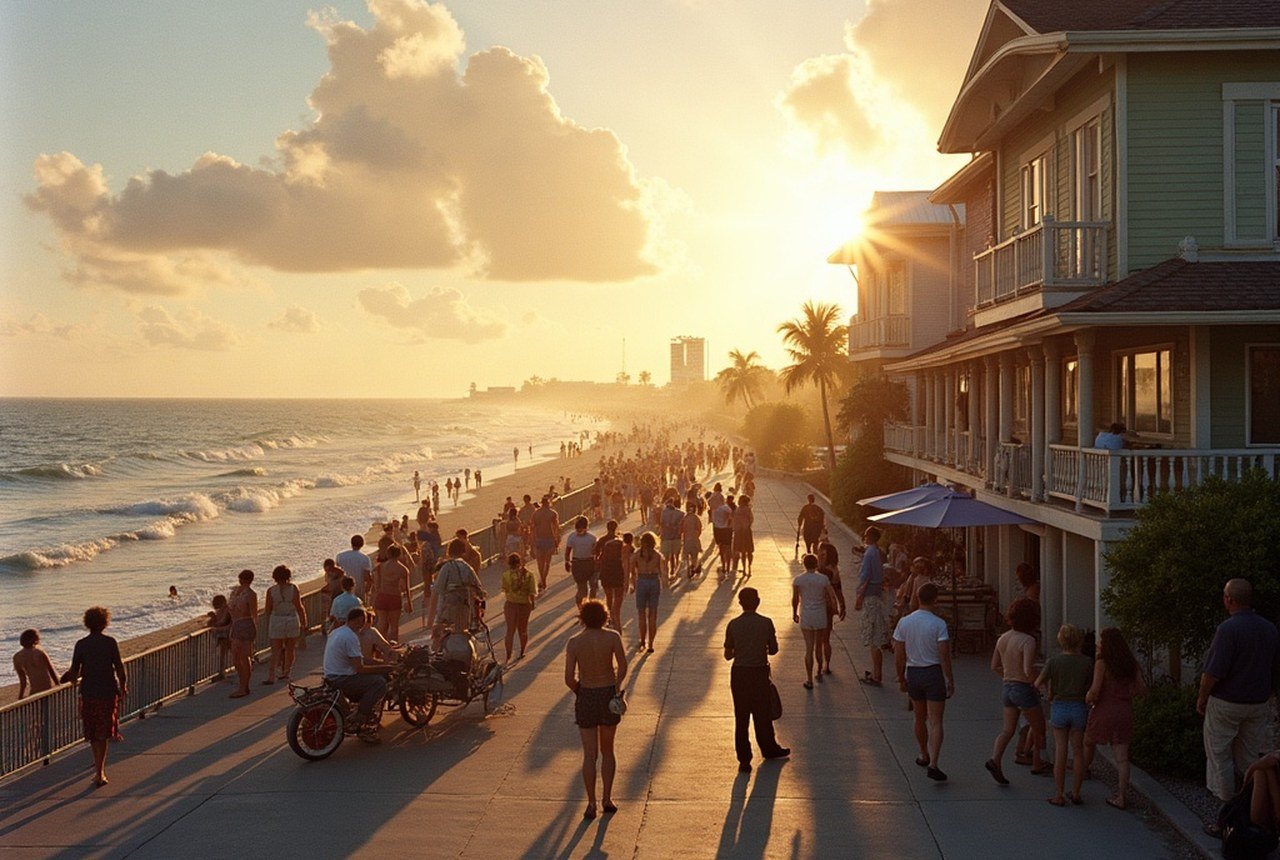
Before Where the Boys Are opened in theaters in December 1960, Fort Lauderdale Beach was a genteel resort corridor — winter snowbirds, modest motels along A1A, the odd collegiate visitor drifting south during semester break. The MGM film, shot largely on location along the beachfront and Las Olas Boulevard, changed all of that almost overnight. It was a cultural accelerant: four college women chasing romance in the Florida sun, and a nation of students watching and deciding they wanted in.
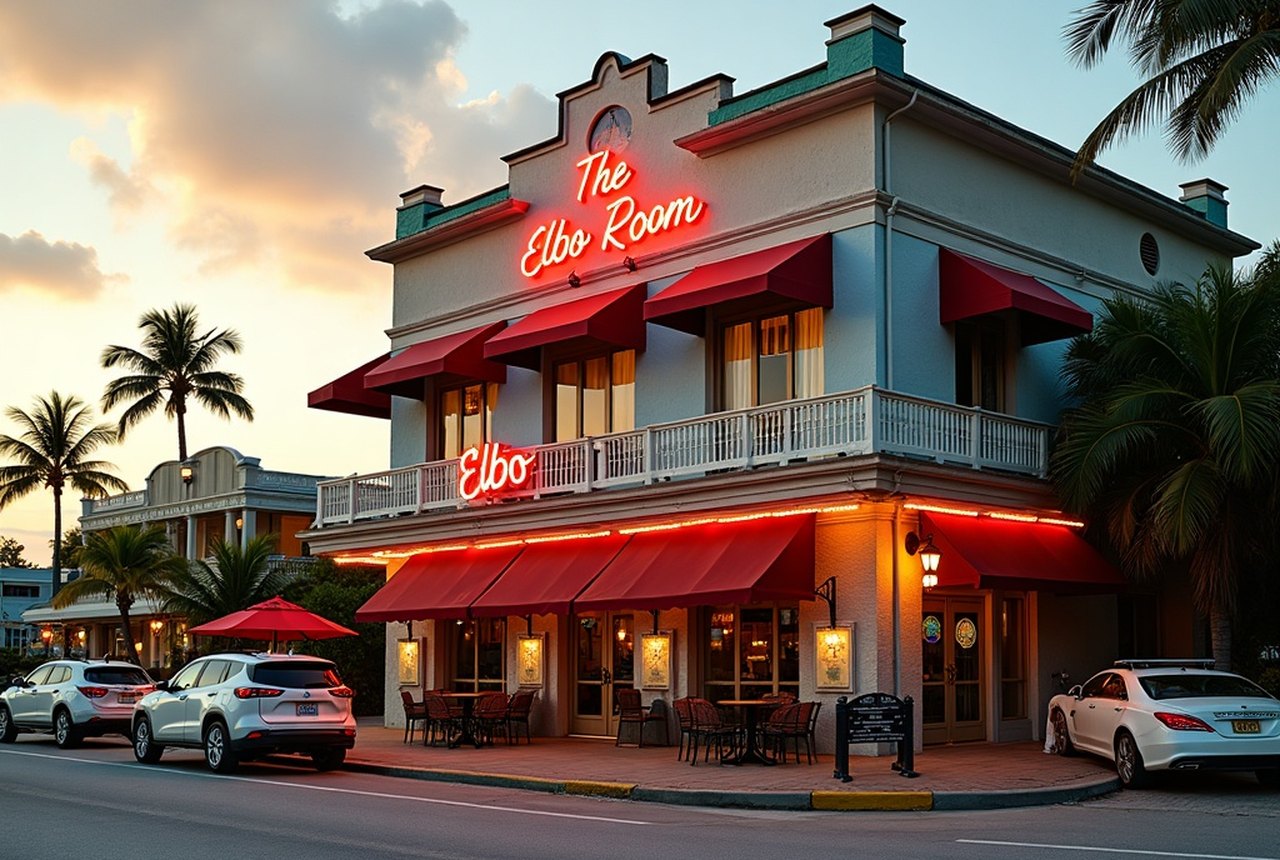
The numbers that followed were staggering. By the mid-1980s, an estimated 350,000 students were descending on Fort Lauderdale each spring, packing the beach strip, the bars along the Intracoastal Waterway, and every motel corridor within range. The Elbo Room on the corner of A1A became a kind of cathedral of the scene — loud, crowded, proudly unreasonable. National television crews turned up annually, USA Today ran the dispatches, and Fort Lauderdale was fixed in the American imagination as the place where spring went to lose its mind.
The Long Hangover
The city bore it for decades, but by the late 1980s the calculus had shifted. What the spring break economy brought in revenue, it consumed in city services, policing, liability and reputation. Families and convention business — the quieter, higher-spending visitors Fort Lauderdale actually wanted — were steering clear of March and April entirely.
The response was deliberate and methodical. The city tightened open-container ordinances, reduced beach capacity during peak weeks and, crucially, stopped marketing itself to the spring break crowd altogether. Miami Beach and Panama City Beach picked up the slack. Fort Lauderdale didn't mourn it.
What remained was something more durable: a genuinely attractive beach city with a serious food scene anchored on Las Olas Boulevard, a waterway network that rewards slow exploration, and cultural institutions — the NSU Art Museum Fort Lauderdale, the Stranahan House Museum, the Bonnet House Museum & Gardens — that had always been there, waiting for the noise to die down. The Fort Lauderdale History Center keeps the wilder chapter well documented, including the film's local legacy.
The Elbo Room is still open. The film still screens. But the city it now shows visitors is a different one — older, more settled, considerably more interesting.
The chronology
- 1960Where the Boys Are filmed and released; Fort Lauderdale enters the national spring break imagination
- mid-1980sspring break crowd peaks at an estimated 350,000 students annually
- late 1980scity begins deliberate policy shift away from spring break tourism