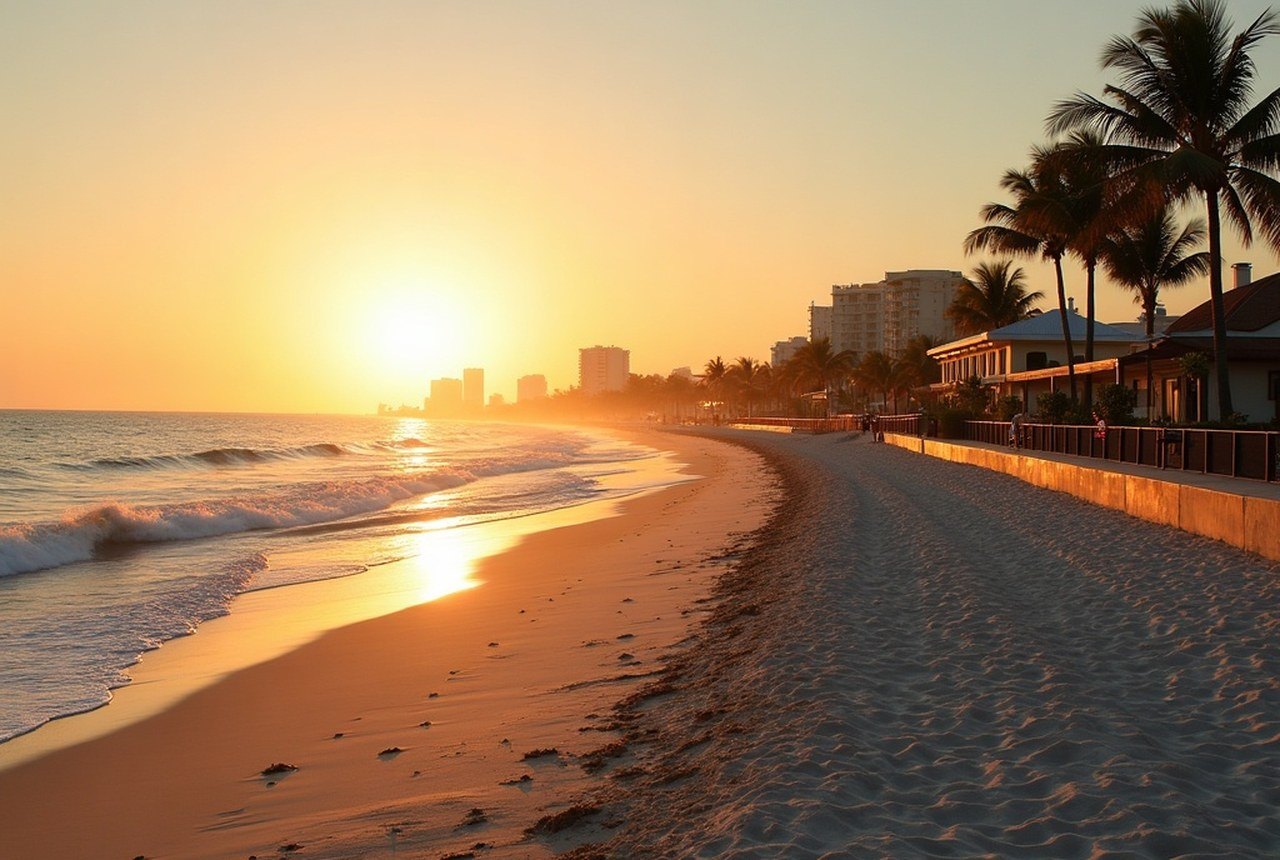
The Coastline: Fort Lauderdale's Beating Heart
Start with the water. Fort Lauderdale has always been defined by it — the Atlantic to the east, the Intracoastal Waterway threading through the city's interior, the New River cutting through downtown — and for a first-timer, the beach is the natural place to get your bearings.
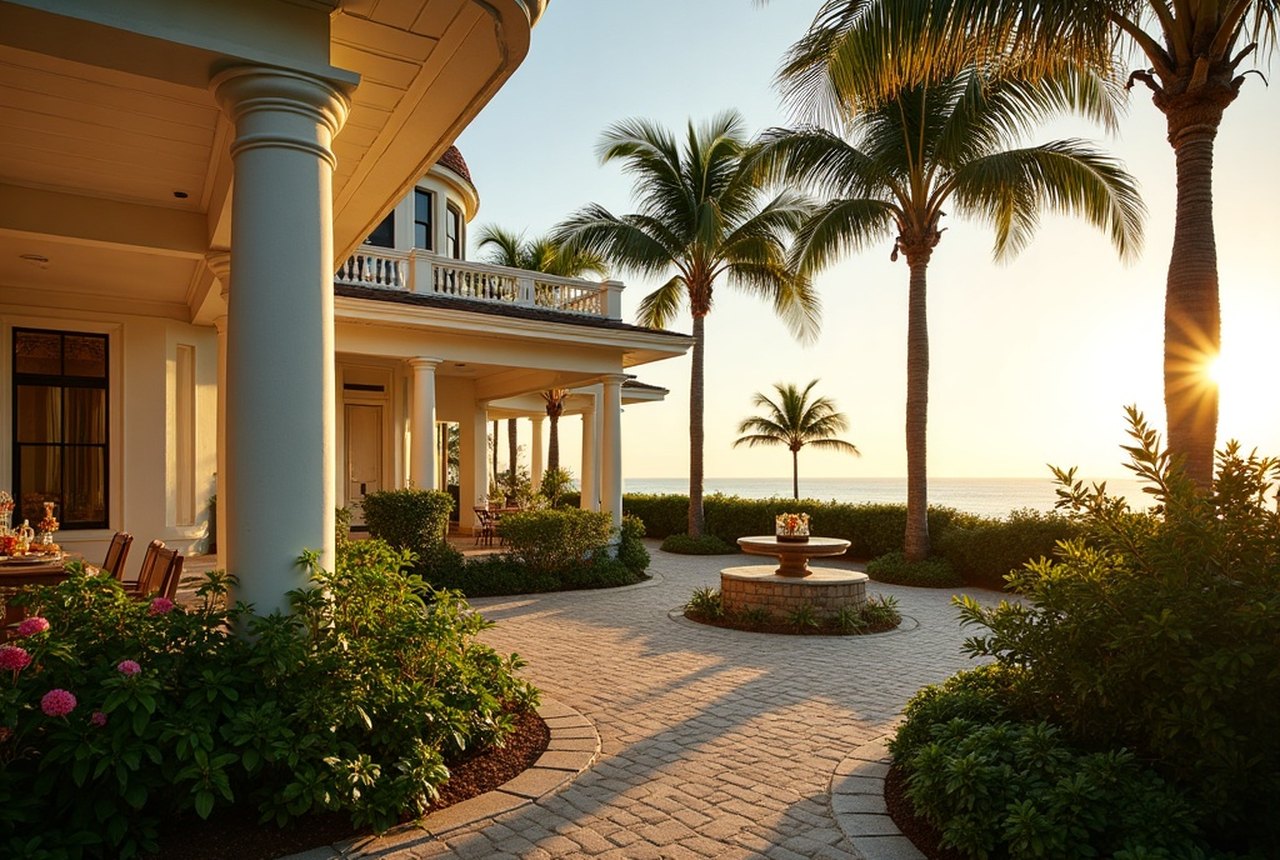
Fort Lauderdale Beach runs along A1A, the coastal highway that hugs the Atlantic shoreline, and it earns its reputation. The sand is wide and pale, the water genuinely clear, and the scene shifts through the day in ways worth catching: early mornings bring joggers and pelicans; late afternoon turns golden and social; sunset over the Intracoastal, visible from the bridge at Sunrise Boulevard, is quietly spectacular. This is not a beach that needs hype. It delivers on its own terms.
Head south toward Dania Beach and Lloyd Beach State Park changes the register entirely. It's the pick for anyone who wants a more natural stretch — the crowds thin, the vegetation thickens toward the dunes, and families with kids who'd rather hunt for shells than queue for a sun lounger will find it exactly right. The park sits within a broader natural corridor that feels genuinely separate from the resort strip a few miles north.
Hollywood Beach offers something different again. The Broadwalk — Hollywood's famous pedestrian and cycling promenade running along the oceanfront — gives the beach a neighborhood feel, with boutiques and occasional antique finds woven into the commercial strip behind it. If Fort Lauderdale Beach is the city showing off, Hollywood Beach is the city relaxing.
Northward, Hillsboro Beach provides a quieter alternative for visitors who prefer to hear the waves over the crowd. It's a narrow barrier island with little commercial development — restful in the way that undervisited coastal stretches always are, and an easy drive up A1A when the main beach starts to feel busy.
One practical note: the greater Fort Lauderdale coastline stretches for roughly twenty miles along the Atlantic, which means there is genuinely no reason to spend the whole trip on the same patch of sand. Each beach has its own character. First-timers who arrive expecting one beach and leave having visited three will have understood the city better for it.
| Beach | Character | Best for |
|---|---|---|
| Fort Lauderdale Beach | Wide, pale sand along A1A; social by afternoon | First bearings, the wave wall, golden hour |
| Lloyd Beach State Park | Natural, thin crowds, dunes and vegetation | Families, shell-hunting, quiet |
| Hollywood Beach | Neighborhood feel along the Broadwalk | Cycling, browsing, a slower day |
| Hillsboro Beach | Narrow barrier island, little development | Hearing the waves over the crowd |
Museums That Actually Earn Their Keep
Fort Lauderdale's cultural institutions are good enough to hold their own against much larger American cities, and a first visit should make room for at least two or three of them.
Bonnet House Museum and Gardens is the place to begin understanding how this part of South Florida was actually settled and lived in. The estate — 35 acres of waterfront grounds tucked between the beach and the Intracoastal — was home to artists Frederic and Evelyn Bartlett, who built it as a winter retreat beginning in 1920. What survives is eccentric, personal and genuinely beautiful: hand-painted murals, accumulated curiosities, gardens that feel subtropical rather than manicured. Guided tours move through interiors that still carry the Bartletts' distinct sensibility. Coming this close to the beach and missing Bonnet House would be a real mistake.
Stranahan House Museum sits on the New River downtown and carries a different weight. Built in 1901, it is the oldest surviving structure in Broward County, and it was originally a trading post serving the Seminole people of the surrounding region. Frank Stranahan, who built it, became one of the city's founding figures; the house itself became a family home, a post office and a community hall at various points in its history. The artifacts inside — and the guided tours that interpret them — give visitors a grounded sense of how Fort Lauderdale grew from a river-bend trading post into a city. It's a small building carrying a large story.
NSU Art Museum Fort Lauderdale, a few blocks from the waterfront on Las Olas Boulevard, operates at a different scale. At 75,000 square feet, it holds significant collections of 20th-century and contemporary art, with a particular strength in CoBrA movement works — the postwar European group that included Karel Appel and Asger Jorn — alongside Latin American and American art. Sculpture extends onto the terrace. It's a serious museum with serious ambitions, and the building's location makes it easy to combine with a walk along Las Olas before or after.
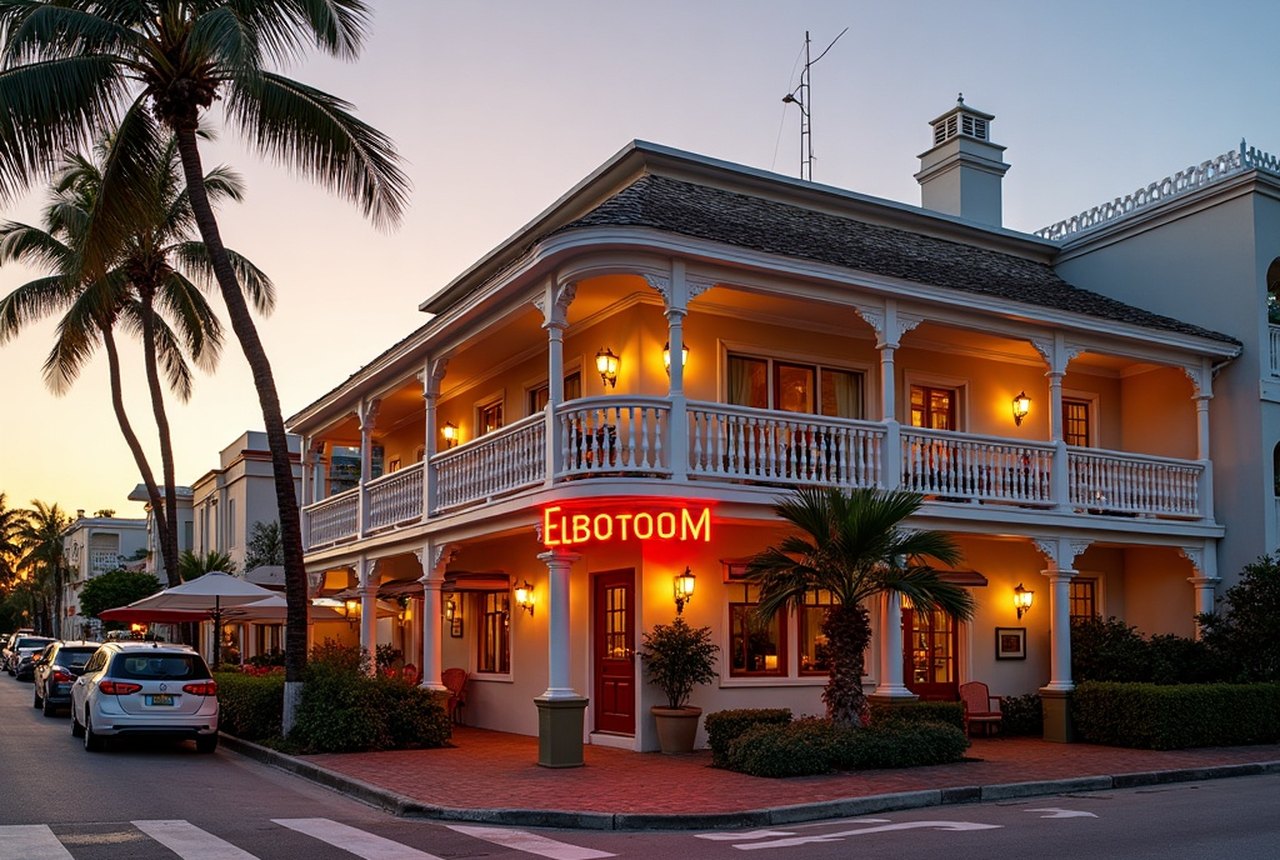
One more stop that resists easy categorization: the Elbo Room, on the corner of Las Olas and A1A, is not a museum but it functions like one. The bar has been on that corner since 1938, survives while the world around it changes, and carries the kind of authentic beachside atmosphere that newer establishments spend fortunes trying to simulate. A first-timer who understands what they're walking into — a piece of living Fort Lauderdale history, still serving cold drinks on a hot afternoon — will appreciate it more than someone who stumbles in expecting something polished.
The Museum of Discovery and Science, near Riverwalk downtown, is the city's major science and natural history institution, and it's worth noting for families or anyone drawn to natural history. Its Everglades exhibit prepares visitors well for what they'll find when they actually go — and they should go.
A small building carrying a large story.
Frederic & Evelyn Bartlett
Artists · builders of Bonnet House
Chicago artists who began their 35-acre winter retreat between beach and Intracoastal in 1920 — hand-painted murals, accumulated curiosities, gardens left subtropical rather than manicured.
Frank Stranahan
Trader · founding figure
Built the 1901 trading post on the New River that became a family home, a post office and a community hall — today the oldest surviving structure in Broward County.
The Wild Side: Everglades and Open Water
No first visit to Fort Lauderdale is complete without at least one encounter with the landscape that surrounds it. The city sits at the eastern edge of a vast subtropical wetland, and the Everglades — the River of Grass — begins where the urban development stops. That transition happens faster than most visitors expect.
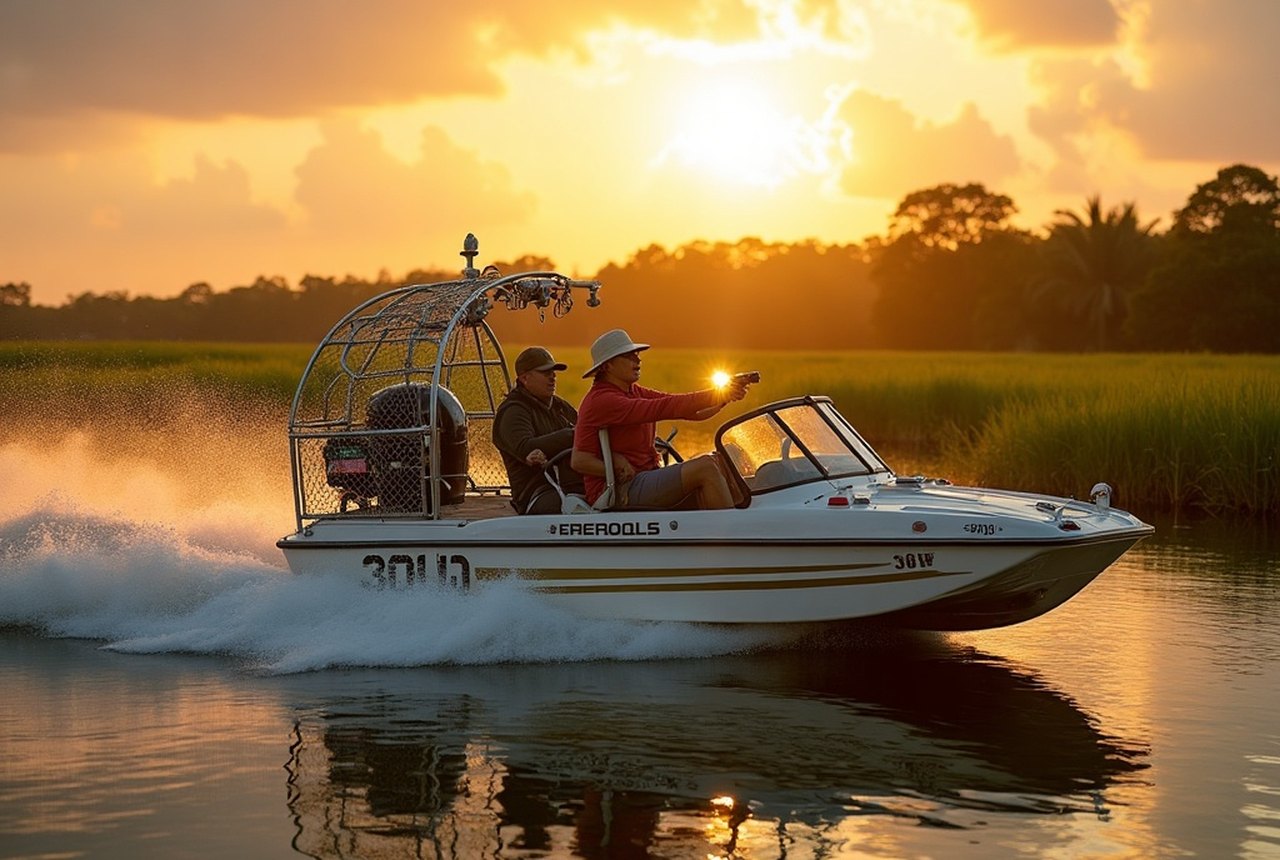
Everglades Holiday Park, on the western fringe of Broward County, is the most accessible entry point for visitors coming from the Fort Lauderdale side. The airboat rides here are the real thing: flat-bottomed vessels propelled by aircraft-style propellers that skim across shallow water at speeds that make the sawgrass blur. The Everglades open up around you in a way that is hard to prepare for — vast, quiet in some directions and startling in others, with alligators surfacing alongside the boat close enough to make you reconsider your life choices. The park's live alligator show, run by the resident rescue team, is genuinely educational and worth staying for. All ages, and more gripping than it sounds.
A few things worth knowing before you go: morning visits tend to offer better wildlife sightings and lower heat. The airboat experience is loud — ear protection is typically provided. And the landscape shifts with the seasons: the dry season (roughly November through April) concentrates wildlife around remaining water sources and offers particularly rewarding sightings.
The Intracoastal Waterway, which runs through the city itself, offers a completely different kind of water experience. Fort Lauderdale has more miles of navigable waterways than Venice, a comparison the city makes often enough that visitors have heard it before they arrive — but it becomes meaningful only once you're actually out on the water, watching multimillion-dollar yachts ease past water taxis and paddleboarders while egrets fish from the seawall. Even a short water-taxi ride along the Intracoastal teaches you more about how Fort Lauderdale works than an hour of driving.
Shopping, Eating and Moving Through the City
Las Olas Boulevard is the city's main retail and dining artery, and it rewards a slow walk. Boutiques alternate with restaurants; galleries and outdoor seating fill in the gaps. The street connects downtown to the beach and functions as Fort Lauderdale's social spine in a way that no other corridor quite matches. For eating, the choices have improved substantially in recent years — the restaurant scene around Las Olas and the waterfront is genuinely ambitious, drawing on South Florida's Latin, Caribbean and seafood traditions without being enslaved to any single one of them.
Sawgrass Mills, in Sunrise west of the city, operates at an entirely different scale. It ranks consistently among Florida's most-visited attractions — a vast outlet and retail mall that draws shoppers from across South Florida, the Caribbean and Latin America. Plan a half-day minimum; the sheer volume of stores demands it, and arriving without a rough sense of what you're looking for is a reliable way to lose several hours without finding much.
The Galleria, closer to the beach at Sunrise Boulevard and Federal Highway, is the more manageable alternative for visitors who want retail without the scale of Sawgrass. Anchored by major department stores with a walkable footprint, it's a useful stop when the Las Olas boutiques have been covered and the rain has arrived.
A first-timer who combines two or three beaches, a couple of the museums, an Everglades morning, and an evening on Las Olas will have seen a city that is considerably more layered than its spring-break reputation suggests. The beach is the beginning, not the whole story.
| Sawgrass Mills | The Galleria | |
|---|---|---|
| Scale | Vast — among Florida's most-visited attractions | Walkable, anchored by department stores |
| Where | Sunrise, west of the city | Sunrise Blvd & Federal Hwy, near the beach |
| Time needed | Half a day minimum | An easy afternoon |
| Go when | You know what you're hunting for | Las Olas is covered and the rain has arrived |
The chronology
- 1901Stranahan House built on the New River; Fort Lauderdale's oldest surviving structure
- 1920Frederic Bartlett begins building Bonnet House as a winter retreat
- 1938Elbo Room opens at corner of Las Olas and A1A