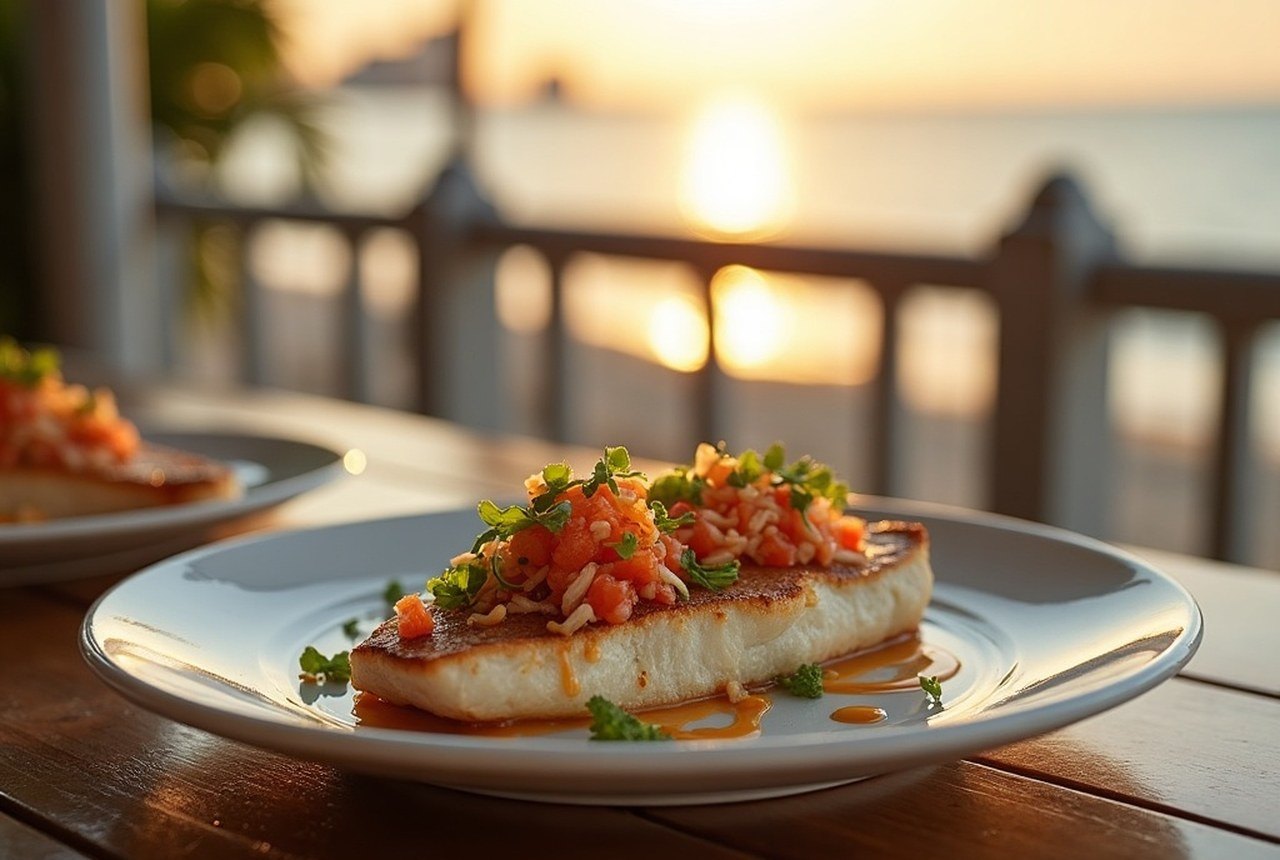
Fort Lauderdale's food scene is as layered as its history — and both reward serious attention.
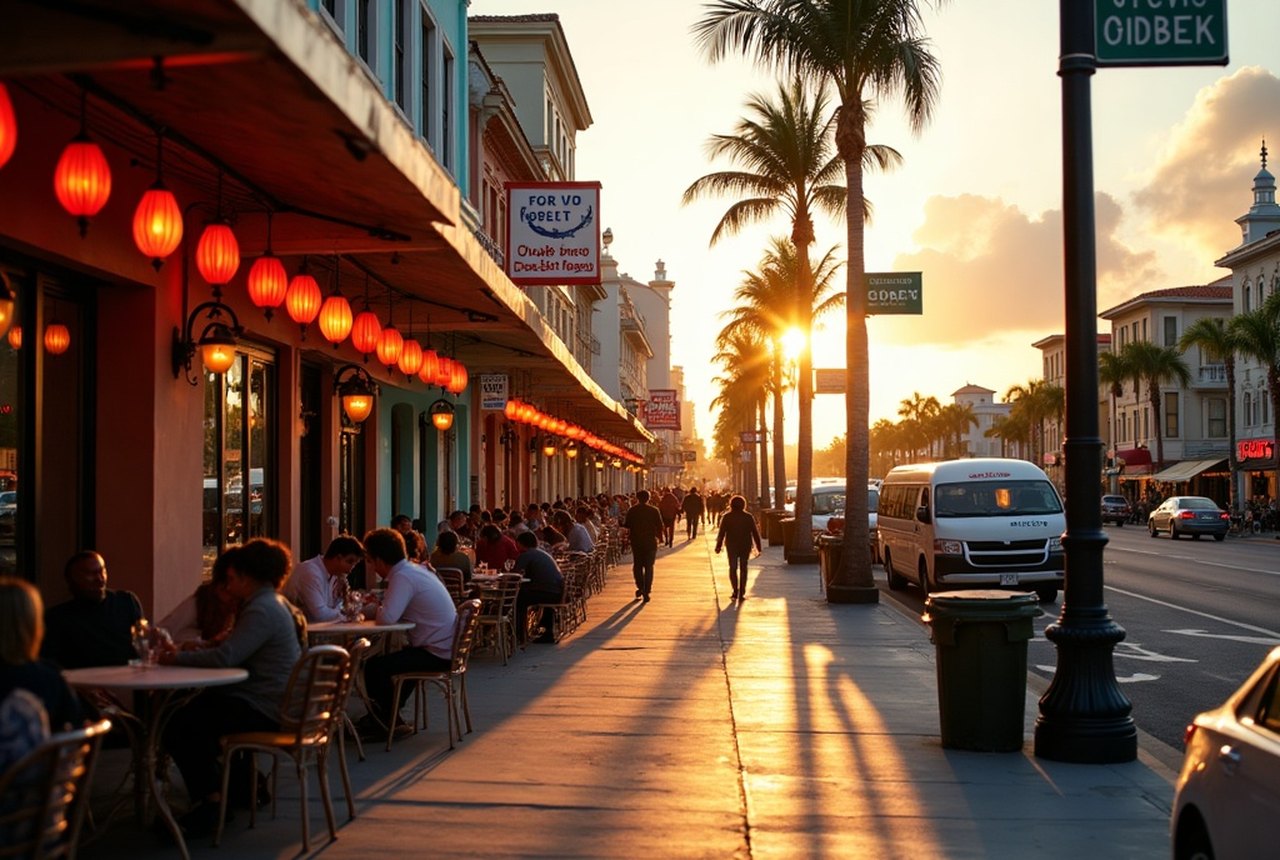
The Culture Behind the Cooking
Fort Lauderdale has always been more than a beach-and-waterway postcard. Successive waves of Caribbean, Latin American, African American, and European communities have settled here, and that accumulated diversity shapes everything from the city's institutions to what lands on your plate. Walk a stretch of Las Olas Boulevard or duck into a neighborhood off the Intracoastal and the evidence is immediate: a Vietnamese noodle shop beside a Haitian bakery beside a waterfront seafood shack, all equally at home.
That history has a permanent address. The African American Research Library and Cultural Center preserves the literature, documents, and cultural memory of African and African American peoples — a serious scholarly resource that doubles as one of the city's most meaningful public institutions. A few miles away, the Fort Lauderdale History Center campus anchors the city's oldest neighborhood along the New River, its Hoch Heritage Research Center holding maps, manuscripts, photographs, and blueprints that trace Fort Lauderdale's arc from a frontier outpost to a modern city. Exhibits on Seminole life remind visitors that the region's story runs far deeper than the 1920s land boom. The New River Inn, built in 1905 and one of the city's earliest hotels, now serves as an exhibit space within the same campus — a beautifully compressed piece of local time travel.
Understanding that layered past makes the food scene make sense. The city's restaurants don't reflect a single identity because the city never had one.
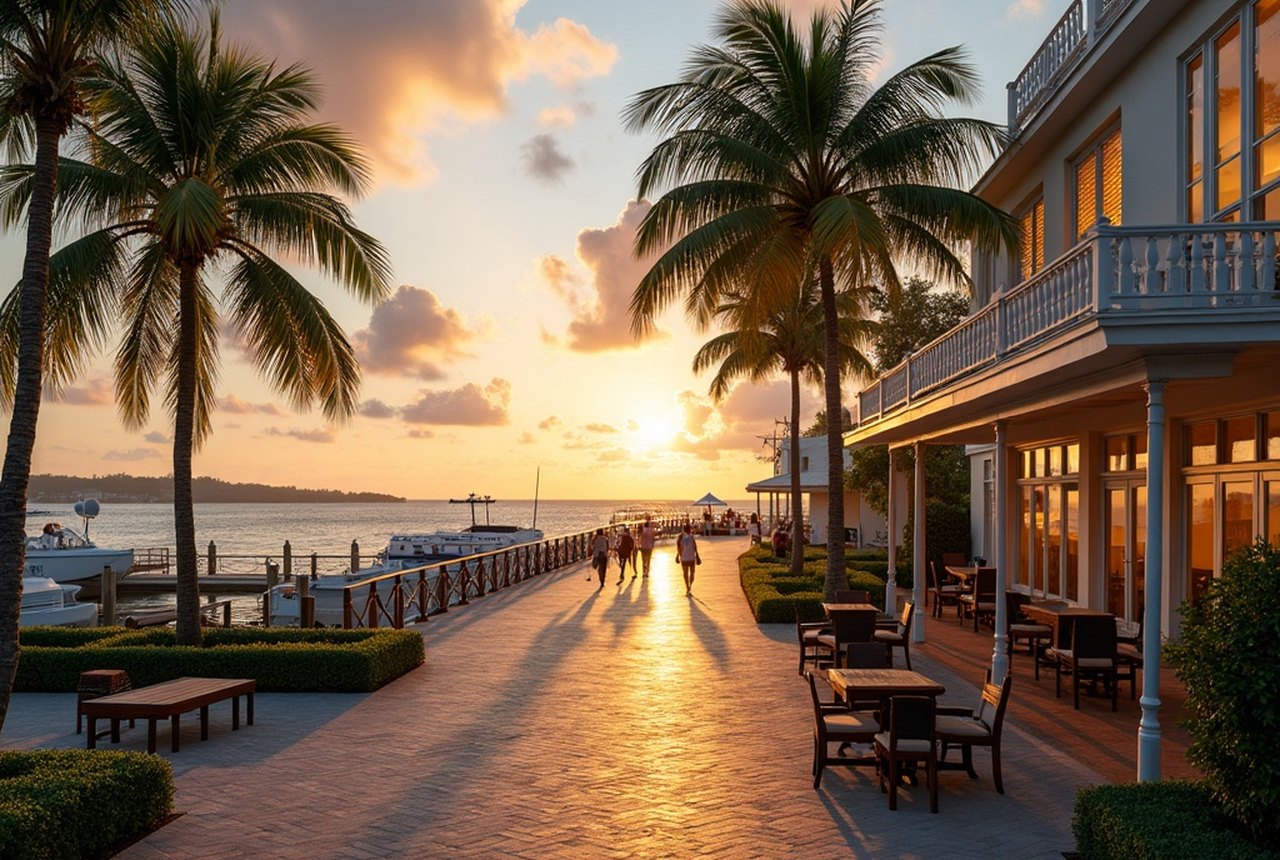
What's on the Table
Seafood anchors everything. Fort Lauderdale's position between the Atlantic and the Intracoastal Waterway means the morning's catch arrives fast, and the kitchen talent here knows precisely what to do with it. Fried shrimp, grilled mahi-mahi, blue crab, and salmon prepared with practiced restraint all appear across menus ranging from casual waterfront spots to white-tablecloth rooms. Kelly's Landing has built a loyal local following over the years; Lobster Bar Sea Grille addresses the upscale end of that appetite with consistency. The practical advice is simple: ask what came in that morning. The answer changes the decision.
Mexican cooking in Fort Lauderdale punches well above what visitors typically expect. The coastal setting does something useful here — ceviche, raw fish cured in citrus, feels entirely natural in a city with daily access to fresh catches, and it appears on menus across the Mexican dining scene as a genuine regional adaptation rather than an afterthought. Festive dishes like Chiles en Nogada — poblano peppers stuffed and draped in walnut cream sauce — show up with a care that honors the dish's complexity. Casa Frida Mexican Cuisine is among the addresses consistently delivering on that promise.
Beyond seafood and Mexican, the dining map spreads wide. Temple Street Eatery has earned a devoted following by blending Asian street-food traditions — the kind you'd find in a Penang hawker market or a Bangkok side street — with South Florida sensibility. The result feels genuinely of this place rather than transplanted. Chinese, Vietnamese, Latin fusion, and classic American kitchens fill neighborhoods throughout Broward County, often clustered in blocks that function as informal food districts. The eclecticism isn't a marketing concept; it mirrors the population that built the city.
For visitors who want to range across the spectrum in a single outing, Las Olas Boulevard remains the most navigable starting point — dense with options, walkable, and reliable enough to reward spontaneous decisions. Those willing to venture off the main corridor, into the neighborhoods where Fort Lauderdale's working life actually happens, tend to eat better and spend less.
Why It Stays With You
A food scene is ultimately a portrait of the people who made it. Fort Lauderdale's tables reflect a city shaped by Indigenous roots, African American tradition, Latin and Caribbean energy, and a coastal spirit that has always welcomed newcomers and absorbed what they brought with them. That's not a promotional claim — it's visible in a plate of fresh-caught grouper as readily as it is in a carefully preserved early-twentieth-century hotel along the New River. The more curious you are, the more the city gives back.