
Nature, Wildlife & Open Water
Flamingo Gardens. This 60-acre sanctuary in western Broward County showcases the flora and fauna of the Florida Everglades — alligators, bald eagles, and, yes, flamingos. The botanical collections are serious, not decorative, and the evening light across the wetland enclosures is quietly spectacular.
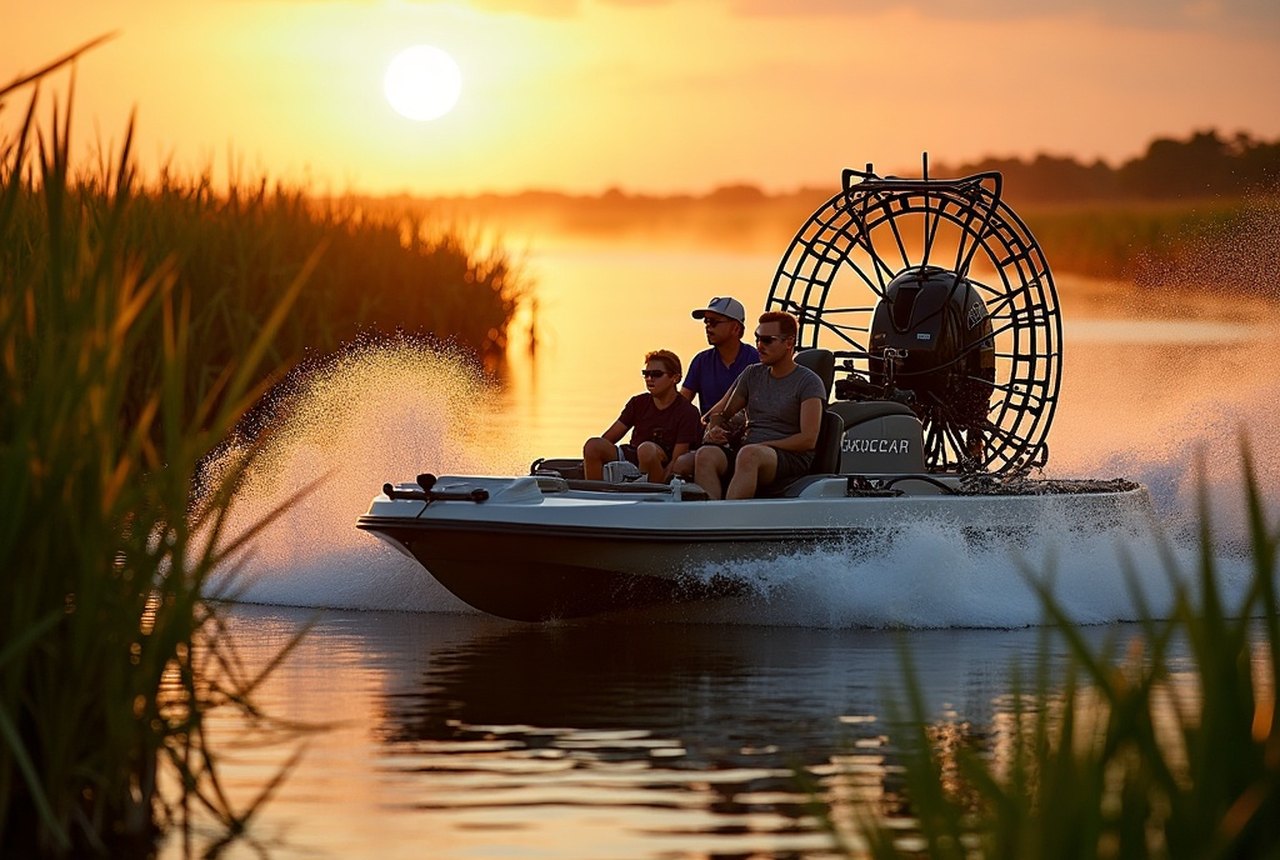
The Everglades. Fourteen endangered species call this ecosystem home, among them the American crocodile, the Florida panther, and the West Indian manatee. Everglades Holiday Park is the most accessible launch point from Fort Lauderdale — airboat tours push out into the River of Grass within minutes of the city limits. For something slower, kayak rentals and primitive camping put you genuinely inside the landscape rather than skimming past it.
Butterfly World. The largest butterfly park in the world sits in Coconut Creek, a short drive from Fort Lauderdale. The 10-acre farm and research facility is also home to the country's largest free-flight hummingbird aviary — a detail most visitors don't expect and nobody forgets.
Secret Woods Nature Center. Just off the New River near Dania Beach, this secluded 57-acre preserve rewards anyone who seeks it out: two natural trails, an interpretive center, and a 3,800-square-foot butterfly walk, all without the crowds you'll find at bigger attractions. It costs nothing to enter and feels like a genuine secret.
Fort Lauderdale's Beaches. More than 23 miles of coastline stretch from Hallandale Beach north to Deerfield Beach. Pompano Beach, Dania Beach, and Lauderdale-by-the-Sea all hold Blue Wave certification for cleanliness and safety. Arrive for sunrise — the light on an uncrowded Atlantic beach at dawn is one of the city's least-advertised pleasures.
The Intracoastal Waterway. Fort Lauderdale has more miles of navigable waterways than Venice. A private or small-group charter along the Intracoastal drifts past waterfront mansions, gleaming mega-yachts, and drawbridges that open on a schedule — this is the city seen from its best angle, and it works equally well for families and couples.
Culture, Science & Entertainment
Stranahan House. Built in 1901 on the north bank of the New River, this is Fort Lauderdale's oldest surviving structure — a trading post turned family home turned museum. Guided tours move through well-preserved rooms and well-documented history: the Seminole trade economy, the land boom, the city's unlikely origins. It earns every minute you give it.
Museum of Discovery and Science. Coral reef tanks, live snakes, aquariums holding sharks and grouper, and an on-site IMAX theatre make this a legitimate full-day visit rather than a quick walk-through. The exhibits are hands-on without being dumbed down, and the IMAX programming changes regularly — check what's showing before you go.
Gulfstream Park. Thoroughbred racing, a state-approved racino, roughly 20 restaurants, an open-air village of galleries and fashion boutiques, and regular live music make Gulfstream Park in Hallandale Beach one of South Florida's most layered entertainment destinations. A weekday afternoon here — races in the afternoon, dinner after — is an underrated way to spend a day.
Broward County Planetarium. The only public planetarium in Broward County occupies a 40-foot domed theatre on the campus of what is now Broward College in Davie. It offers both produced sky shows and public observatory sessions — the kind of unhurried stargazing that reminds you South Florida's night sky has more in it than it first appears. Modest admission, outsized reward.
Fort Lauderdale rarely needs the hard sell — the beaches alone draw millions — but the city's real range only reveals itself when you look past the shoreline. Wildlife preserves thirty minutes from Las Olas Boulevard, an early twentieth-century trading post on the New River, a planetarium where a docent will actually explain what you're looking at: these are the experiences that turn a beach trip into something you remember distinctly.