A City That Keeps Its History
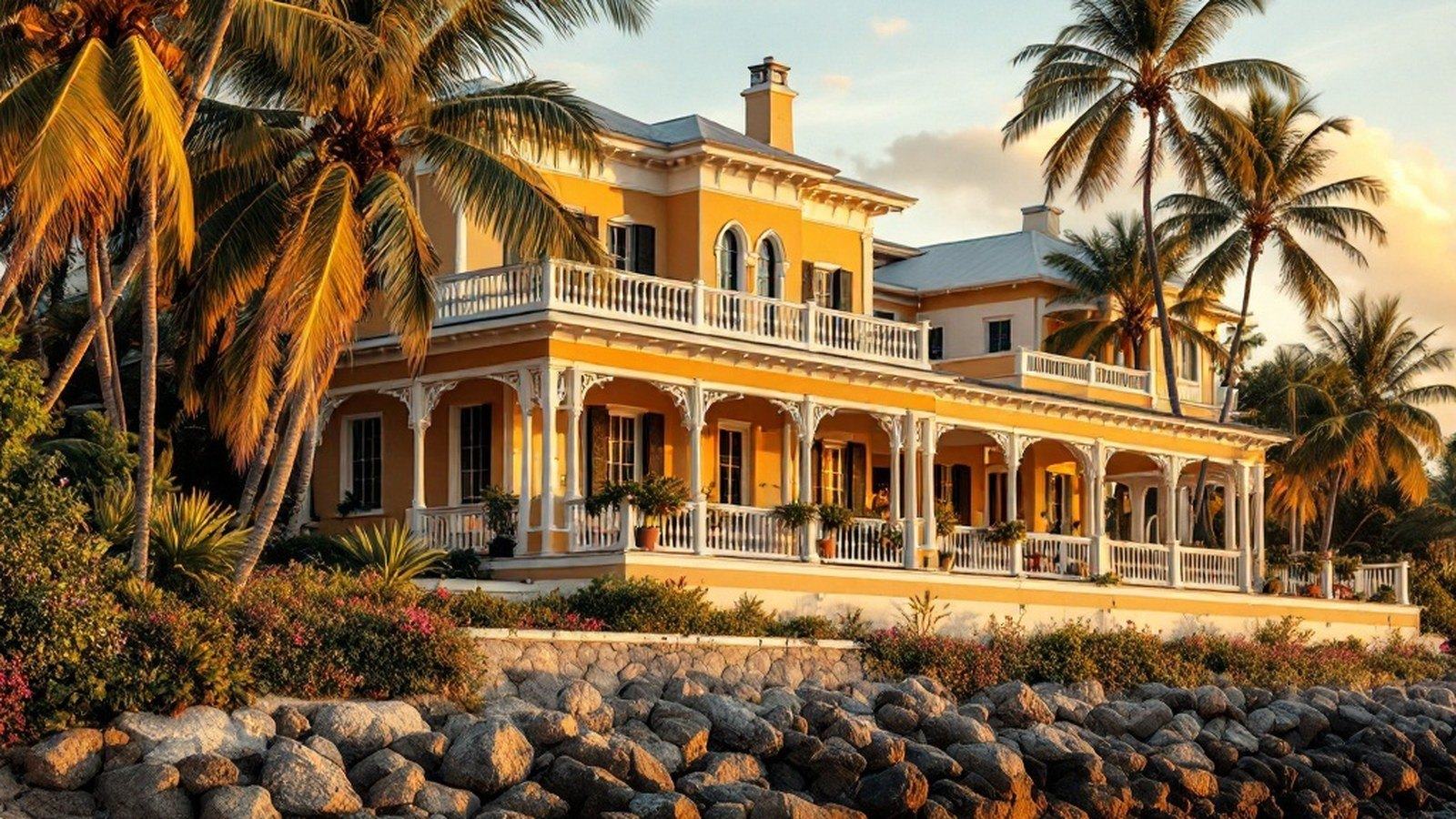
Fort Lauderdale did not always look like this. Before the resort hotels and the marina slips and the tourist-facing sprawl of Las Olas Boulevard, there was a river, a trading post, and a handful of determined settlers trying to make something permanent in a landscape that resisted permanence. Two buildings survive from that foundational era — not as ruins or plaques, but as fully realized museums that reward a serious visit. Neither one will take more than a half-day of your time. Both will stay with you longer than the beach will.
Bonnet House: Thirty-Five Acres of Old Florida
The first surprise at Bonnet House is the scale. The estate covers 35 acres of waterfront land — a genuinely extraordinary amount of undeveloped ground to find wedged between Fort Lauderdale Beach and the Intracoastal Waterway. In a metropolitan corridor where every parcel of oceanside real estate seems to have been paved over or built skyward, these acres feel like a small miracle. Ancient oaks and strangler figs shade the paths. Egrets wade through the freshwater slough. Monkeys — a troupe of squirrel monkeys that arrived decades ago — still roam the grounds with an air of complete ownership.
The house itself, painted in those particular shades of mustard and white that read as both eccentric and inevitable, was built beginning in 1920 by artist Frederic Clay Bartlett on land originally acquired by his father-in-law, Hugh Taylor Birch. Bartlett's second wife, Helen Louise Birch, received the property as a wedding gift from her father, and shared it with Bartlett, who later married artist Evelyn Fortune Lilly. The two of them shaped Bonnet House into an ongoing creative project — a home that doubled as a studio, a collector's cabinet, an expression of aesthetic conviction. Evelyn continued living here until she was well into her nineties, and the Bonnet House Museum & Gardens operates today under the stewardship of the Florida Trust for Historic Preservation.
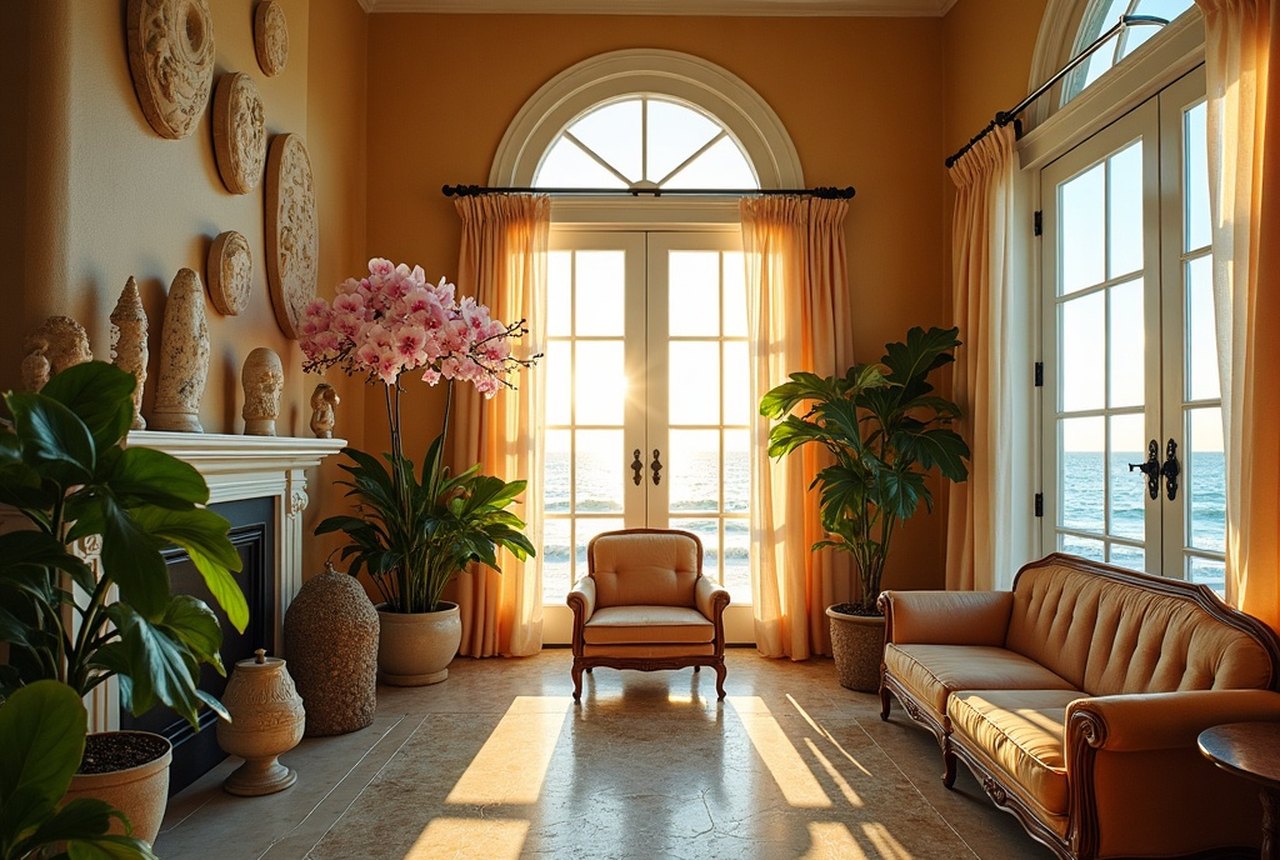
Walking the grounds, you notice how the estate holds the mood of a place that was never quite tamed. The orchid room, the shell collection, the painted walls — all of it reflects lives spent in actual engagement with art and nature rather than the performance of wealth. This is not a house museum frozen in amber; it is a house that still feels inhabited, still feels particular. That quality is rare, and it is worth coming here for.
Stranahan House: Where the City Began
If Bonnet House is Fort Lauderdale's artistic heart, Stranahan House is its civic one. Built in 1901 on the north bank of the New River, it is the oldest surviving structure in the city — a fact that carries more weight once you are standing in front of it and absorbing how modest it is. Frank Stranahan arrived in the area in the 1890s, established a trading post on the New River, and became one of the most significant figures in the settlement's early years. He traded with the Seminole people whose territory surrounded this outpost, ferried travelers and supplies, and eventually built what began as a general store and community hall before becoming the family home he shared with his wife, Ivy Julia Cromartie Stranahan.
Ivy Stranahan was herself a formidable figure — one of the first teachers in the area, a tireless advocate for the Seminole community at a time when federal policy offered them very little, and a civic force in Fort Lauderdale for decades after Frank's death. The Stranahan House Museum tells both of their stories, and the guided tours that the museum runs are the most efficient way to absorb the full arc of what this building represents: the first settlers navigating a subtropical wilderness, the early relationships between Anglo newcomers and Indigenous Floridians, the chaotic boom years of the early twentieth century that turned a trading post into a city.
The house sits right on the New River, and the guided tour format matters here — the docents connect the rooms to the events, the objects to the people, in ways that a self-guided wander simply cannot match. Budget roughly an hour for the tour, and go in the morning before the heat builds. If you leave understanding why Frank and Ivy Stranahan were essential to this place becoming what it became, the museum has done its job. It usually does.
The chronology
- 1890sFrank Stranahan arrives, establishes trading post on the New River
- 1901Stranahan House built on the north bank of the New River
- 1920Frederic Clay Bartlett begins construction of Bonnet House
- presentboth properties operate as museums open to the public