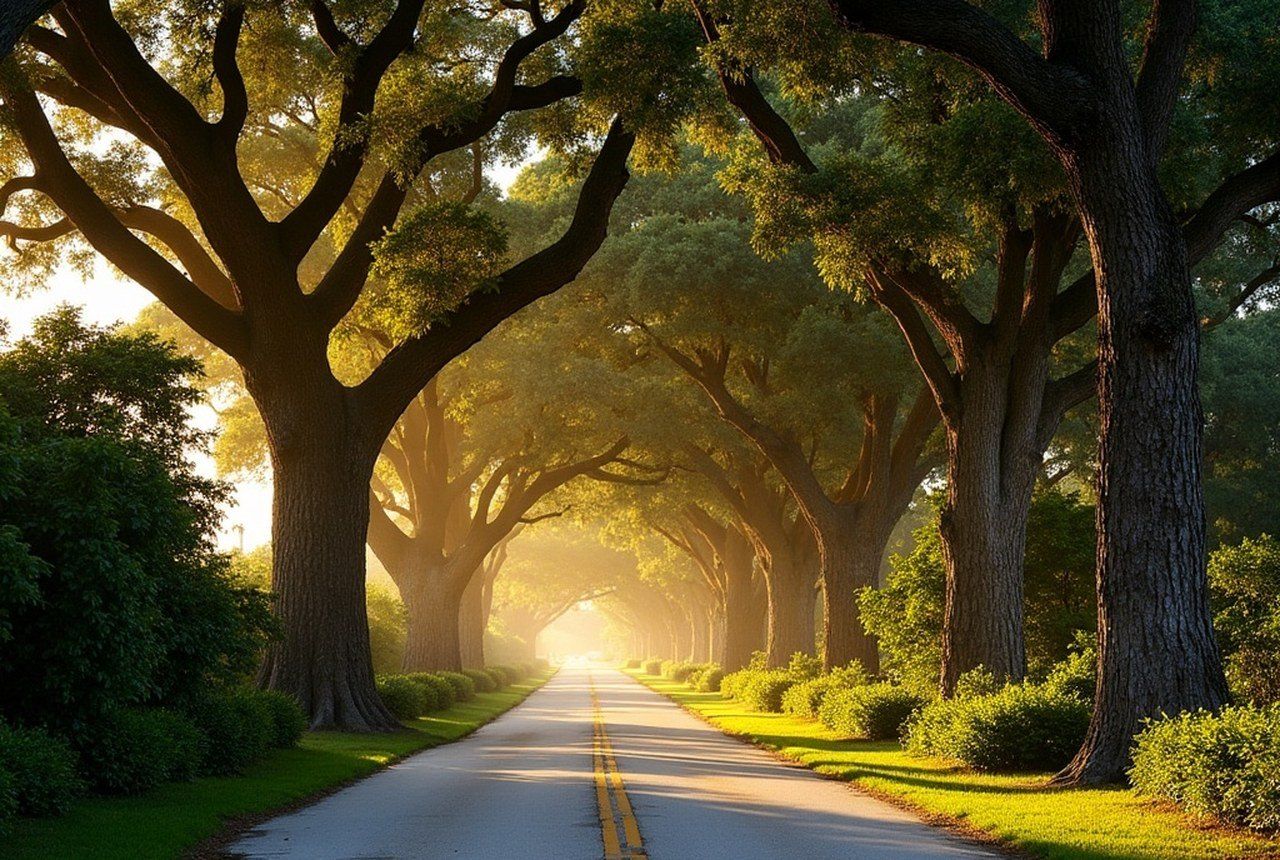
A wild green mile between lagoon and ocean — the estate that became the beach's last untouched stretch.

The Green Gap in the Concrete
Drive A1A through Fort Lauderdale Beach and you notice the city's rhythm suddenly drop. The hotels and bars step back, the noise thins, and for a mile or so the road is flanked by old-growth hammock — gumbo-limbo trees, strangler figs, slash pines — doing what they've always done. That's Hugh Taylor Birch State Park, 180 acres of coastal hammock and freshwater lagoon wedged between the Intracoastal Waterway and the Atlantic, and it is the best accident of generosity the beach ever got.
Hugh Taylor Birch was a Chicago attorney who began assembling land along this stretch in the 1890s, when Fort Lauderdale was barely a settlement. He cultivated the property for decades, planting and nurturing it into a private estate while the city around him boom-and-busted and boomed again. When Birch died in 1943 he deeded the land to the state of Florida, with the condition that it remain a park. The result is one of the last undeveloped parcels on the entire Fort Lauderdale beachfront — irreplaceable by any measure.

What to Do Inside
The park's freshwater lagoon runs most of its length, and renting a canoe or kayak to paddle it quietly is the single best introduction to what coastal South Florida looked like before the dredges arrived. Wading birds work the shallows; soft-shell turtles surface and sink. A paved loop road circles the park and is popular with cyclists, joggers and anyone walking a dog with ambitions above the sidewalk.
The Terramar Visitor Center orients first-timers with exhibits on the park's ecology and Birch's history. A tunneled pedestrian underpass beneath A1A connects the park directly to Fort Lauderdale Beach — one of the more useful pieces of infrastructure the city has managed — so you can trade hammock shade for surf in under a minute.
Go on a weekday morning if you can. The park opens at eight, the light through the tree canopy is at its best, and the lagoon is still enough to reflect everything perfectly. By midday in season the picnic areas fill and the parking lot earns its fee. Even then, the trees close around you fast enough that the city disappears almost entirely — which, given what surrounds this place on every side, feels close to miraculous.